
Doodle: Hi Kids, (Why) Do You Like Violence?
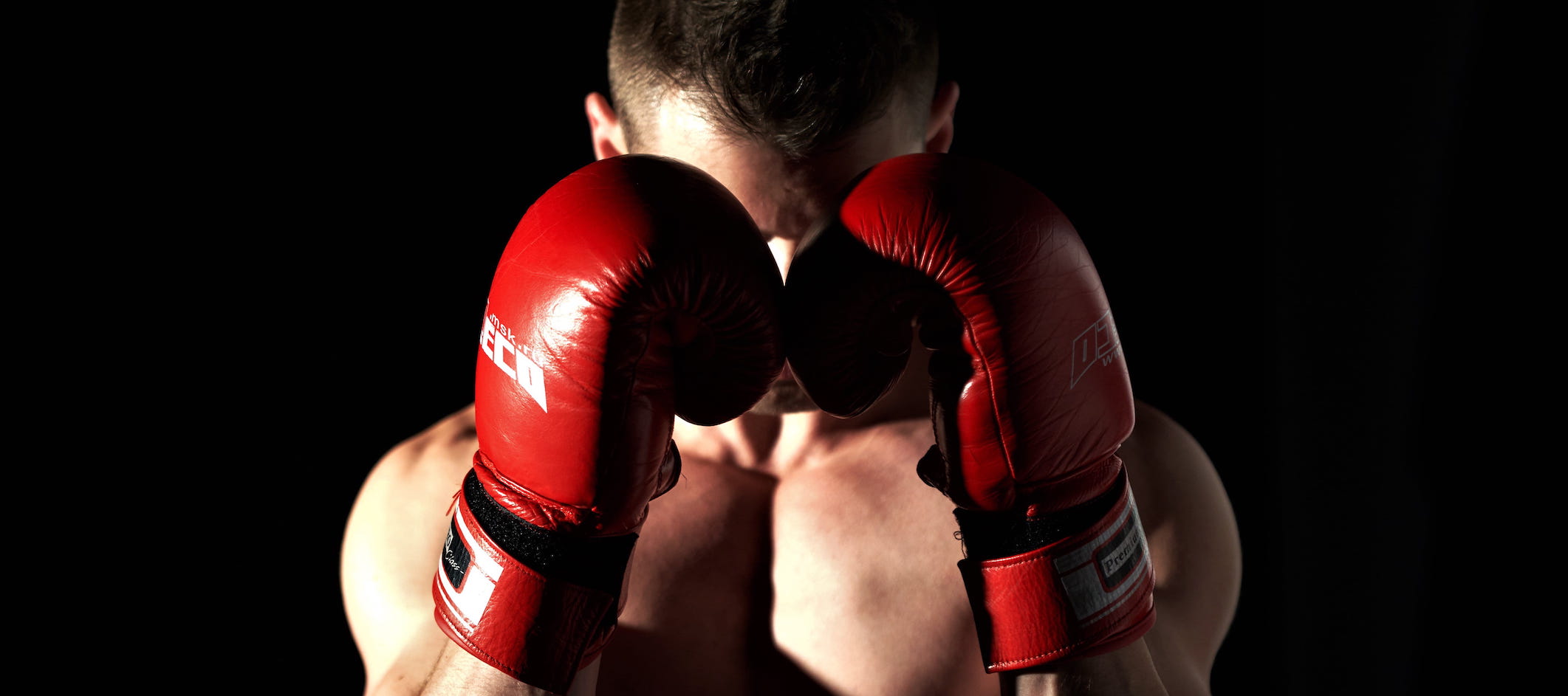
To my own surprise, I’ve probably read more memoirs in the last two years than I’d previously read in my entire life. Writing that sentence I realise it might not be entirely true. This is partly down to the fact that the line between autobiography and memoir is difficult to draw—and I’ve definitely read my fair share of those, most noticeably Augustine’s Confessions, which everyone simply must read. It’s my intention to produce reflections on at least two standout memoirs in the future: Hilary Mantel’s Giving Up the Ghost and Laura Cumming’s Thunderclap. But the passage I want to turn over below comes from This Boy’s Life, by Tobias Wolff. Within Wolff’s memoir it isn’t an insignificant passage. Only he uses it reflect on the difficult relationship he had with his stepfather. My purposes are somewhat more on the nose, related to watching of blood sports.
Owing to this being a doodle, I’m not even going give you broad brushstrokes describing Wolff’s memoir; we’re going to jump straight into the relevant passage. I’ll make a few brief comments along the way, mostly tied back to my writing on blood sports, and possibly offer up some concluding thoughts.
Boxing in This Boy’s Life
After getting caught in an argy-bargy with his friend Arthur, Wolff was handed a note consigning him to a boxing match with that same friend. This would take place in school gymnasium, overseen by one of their teachers. “Mr Mitchell,” the teacher concerned, “had started the smokers some years back to showcase the boxing talent of a few boys, and his own talent as their coach, but since then they had become big business. The tickets cost three dollars and sold out in a matter of days.”
What got my attention as I read this passage was what comes next, in Wolff’s explanation of the smokers’ meteoric rise and considerable popularity. The tickets didn’t sell out, writes Wolff, “because the quality of the fighters got better, but because they got worse. Nobody wanted to see artful flyweights dance up and down, moving their shoulders prettily while darting in for another scientific love tap. They wanted to see slope-shouldered bruisers stand toe to toe and pound each other into goulash. They wanted to see blood. They wanted to see pain.”
At least two observations are worth marking at this juncture. Firstly, as I argued previously, “most people who watch blood sports prefer the sensational to the technical. In other words, we cheer loudest when a boxer is knocked out cold. We don’t want fights decided by the judges. In MMA most viewers relish bloodied faces and broken limbs, while rolling their eyes at the indiscernible grappling that takes place on the floor.”
That is tied to a second observation, there’s essentially no way for someone who enjoys blood sports to deny that part and parcel the entertainment is real world violence that often results in serious injury, sometimes death. Thus I contended in another article, blood sports offer us a context where consuming violence is acceptable, which is further abstracted by our screens. As I wrote, “blood sports have created a context where human violence isn’t only tolerated but celebrated.”
Before his three rounds in the ring, Wolff had to sit in the locker room with the other fighters. His recollection of that wait and what he could hear from the crowd effectively underlines my points. “The roar was steady, almost mechanically so, except when it fell off during the breaks between rounds and when it rose during what must have been particularly violent passages in the fight then underway.”
“Drunk With Delight at the Cruelty”
I think it was Kevin DeYoung who once remarked that if early Christian believers stepped into one of our churches they’d be profoundly shocked by two things. The first is how conformably we live. Though this warrants reflection, it isn’t my concern here. The second, however, would be how indistinct we are from our culture. It’s been my conviction for a long time now—a conviction that only grows with conversations and reflection—that one of the things our forebears in the faith would bristle at is our decision to cheer on as two humans hurt each other for entertainment.
It’s fitting then that we give the last word to one such believer, from across the millennia. Recounting a friend’s first time at the gladiatorial games in his Confessions, Augustine writes, “With eyes glued to the spectacle, he absentmindedly gulped down its frenzies. He took a complicit joy in the fighting, and was drunk with delight at the cruelty.”